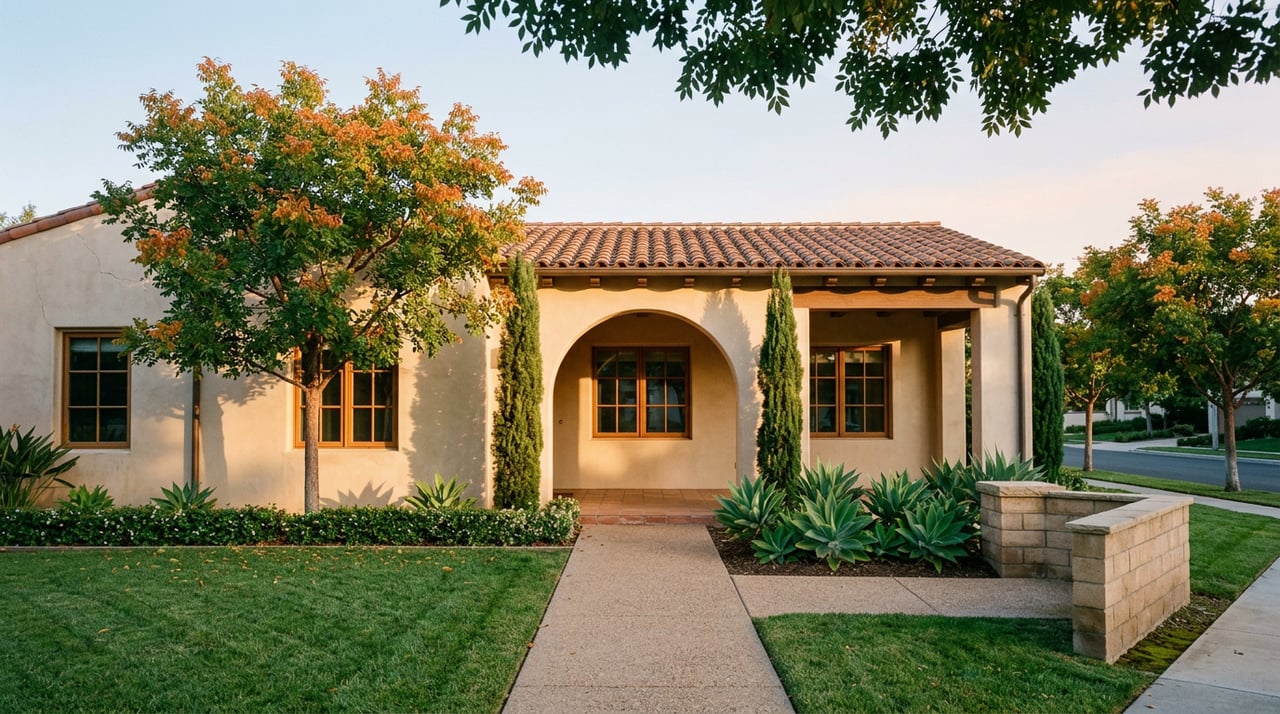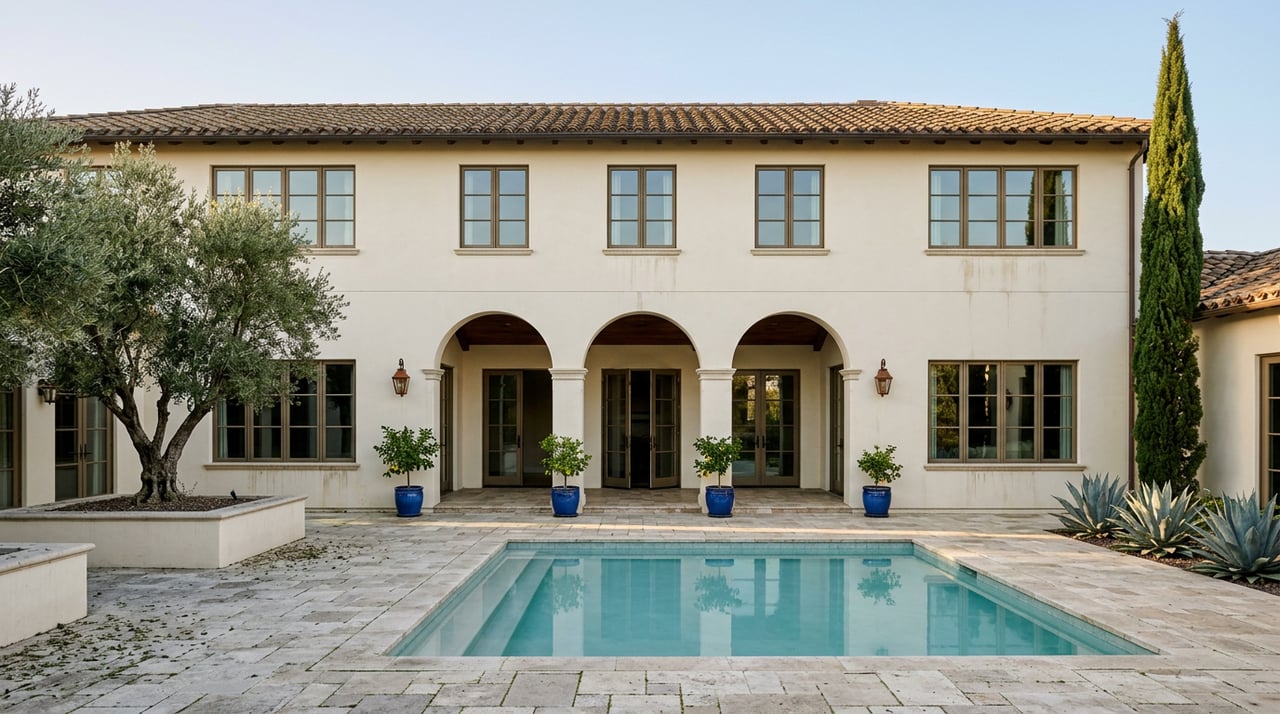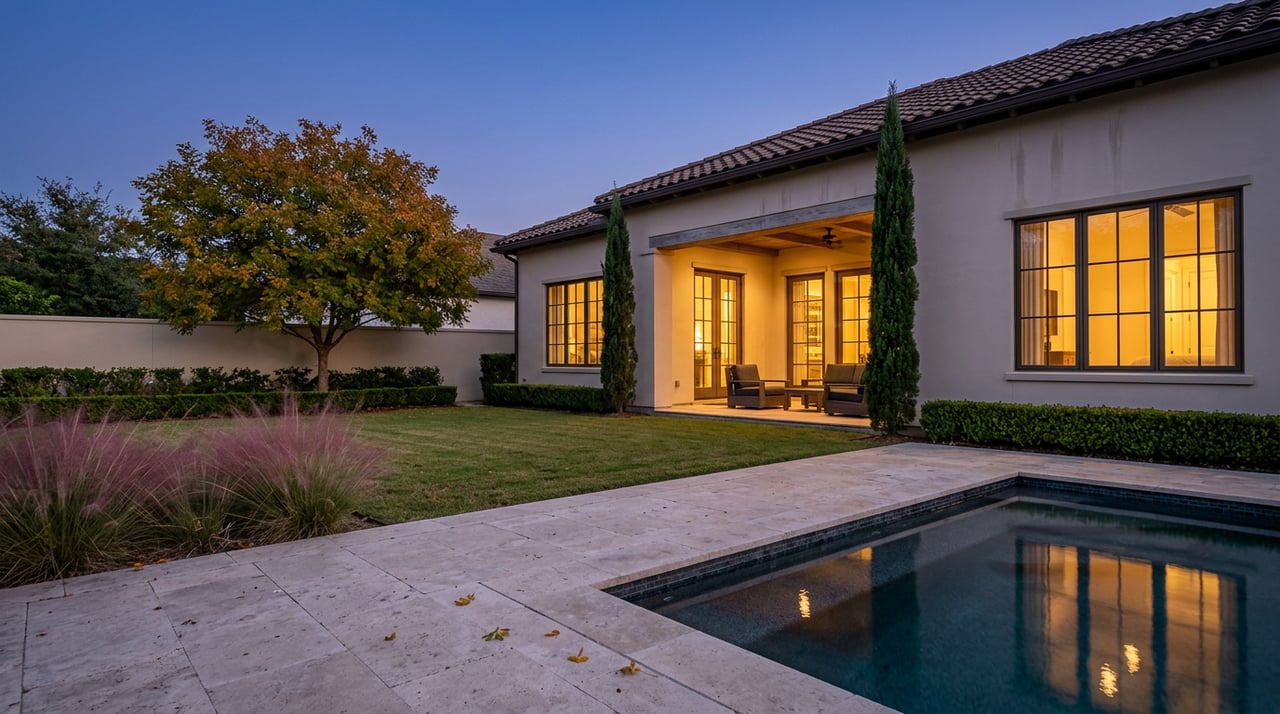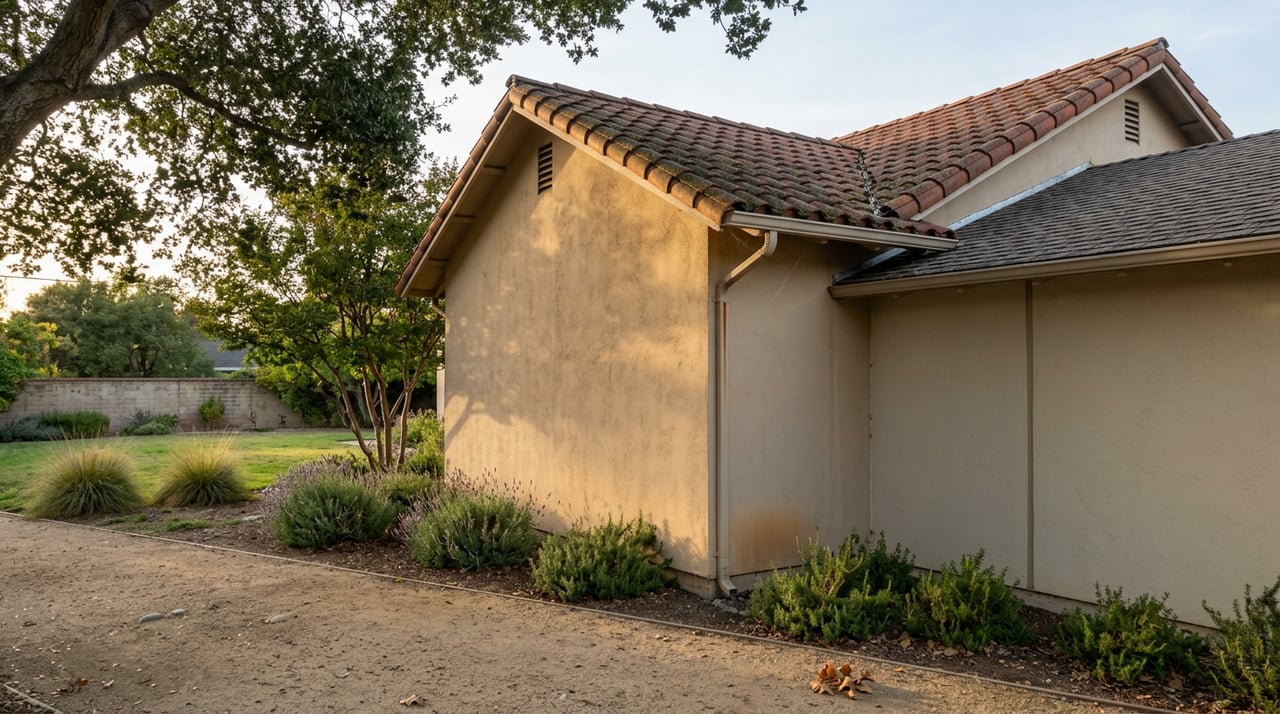
You've lived in the same Del Dayo Estates ranch since the Ford administration, and somewhere along the way the back patio became a sunroom, then a proper fourth bedroom with its own bath. Nobody in the family remembers exactly when the contractor came through, only that it happened sometime after the kids left and before the grandkids started visiting. The room has been there so long it stopped feeling like an addition. It just feels like the house.
That room is about to become the single most expensive sentence in your disclosure packet, and the reason has less to do with the work itself than with where the house happens to sit.
Two Sacramentos, One Address
Say "Sacramento" and most people picture one building department, one set of rules, one clerk's window. Carmichael doesn't work that way. It's unincorporated Sacramento County, which means permits, inspections, and legalization for that old addition run through Sacramento County Building Inspection rather than a city hall. Sacramento, Folsom, Elk Grove, and Citrus Heights each run their own building departments with their own timelines and fee schedules. Carmichael, along with Fair Oaks, Orangevale, and the rural foothills, answers to the county instead.
That distinction rarely matters until you try to sell. A buyer's lender doesn't care whether a permit was pulled from a city counter or a county one. It cares whether the county's file matches what's standing on the lot, and in Carmichael that file lives with Sacramento County, not with any city record a title search might default to checking first.
What the County Actually Does With an Undocumented Room
Here is the part that changes the math for a seller. Sacramento County typically charges double the standard permit fee for work permitted after the fact, and legalizing an existing unpermitted room usually means opening it up again. A bathroom remodeled without a permit may need the tile pulled so the framing and rough plumbing can actually be inspected. That isn't a formality. It's the county's way of confirming that what's behind the wall matches what was supposed to be there.
For a full room addition, the numbers add up quickly. Hiring an architect to draw the as-built plans typically runs $2,000 to $5,000. Permit submission adds another $1,000 to $3,000. Opening the walls for inspection can cost $5,000 to $15,000 depending on scope, and correcting whatever the inspector finds behind them ranges from $5,000 to $50,000 or more. A straightforward addition that was mostly built to code might legalize for around $15,000 total. One with real problems can run past $75,000. Retroactive permit costs for unpermitted work across Sacramento County commonly land in the $5,000 to $25,000 range once fees and corrections are combined.
None of that has to happen during escrow, but it often does, because that's when the appraiser and the buyer's lender first see the file. Appraisers generally don't count unpermitted square footage toward value, and if the additional bedroom or the converted garage isn't in county records, a lender may simply decline to fund the loan until it's resolved. That's a different kind of deadline than a home inspection deadline. It doesn't move because your closing date does.
The seller who checks county records before listing controls the timeline. The seller who finds out from a buyer's loan officer controls nothing.
The 2026 Amnesty Almost No Carmichael Owner Has Used Yet
There's a real exception here, and it's specific enough that it's worth understanding before you assume every unpermitted space is a liability.
California's Assembly Bill 2533 took effect January 1, 2025, and it changes the legalization path for accessory dwelling units and junior accessory dwelling units built before January 1, 2020, extending an earlier cutoff that had stopped at 2018. Under the law, a local agency can't deny a legalization permit for one of these units simply because it doesn't meet current building code or zoning standards like setbacks or height. The unit is instead measured against a narrower health-and-safety checklist tied to Health and Safety Code Section 17920.3, the same standard used to define a substandard building. Homeowners can also request a confidential third-party inspection from a licensed contractor before ever filing with the county, so there's a way to learn what you're dealing with without triggering an official file.
The fee relief is real too. A property owner legalizing an existing ADU or JADU under this law generally isn't charged impact fees or utility connection charges unless infrastructure upgrades are needed to meet safety standards.
The catch is what actually counts as an ADU or JADU. This path is built for spaces with independent living facilities, kitchen, bathroom, and sleeping area, not for a converted patio that's simply an extra family room. If that Del Dayo Estates sunroom is a bedroom with a bath but no kitchen, it's an addition, not an accessory unit, and AB 2533 doesn't apply to it. But if what you're sitting on is a converted garage or a detached space with its own kitchen, built before 2020 and never permitted, this law is the difference between a demolition conversation and a straightforward legalization.
Where This Shows Up Most Often
This isn't a hypothetical for Carmichael. The neighborhood's housing stock is exactly the kind that accumulates decades of unrecorded changes. Lincoln Oaks holds 1950s ranch homes on large lots. Del Dayo Estates dates back to 1957. Wilhaggin del Dayo is largely 1970s ranch construction on wide lots, many with pools added over the years. Carmichael also carries a real concentration of Streng Brothers and Eichler mid-century modern homes, the kind of architecture that often got a garage conversion or an in-law suite tacked on sometime in the 1980s or 90s when a parent moved in or a home office became a necessity.
Listings across these neighborhoods routinely mention in-law quarters, bonus rooms, and flex space, because generations of owners solved for changing needs the same way: by adding on rather than moving. That pattern is a feature of these neighborhoods, not a flaw, but it's also exactly why a county permit search matters more here than it would in a newer subdivision built to a single, fully documented plan.
The Three Paths Before You List
Once you know what you're working with, there are really only three ways forward, and the right one depends on what the addition actually is and what you can verify about when it went in.
You can legalize it, which means engaging a contractor or architect, pulling the permit, opening the work for inspection, and correcting what doesn't pass. This is the most expensive route up front, but it's also the only one that lets an appraiser count the space and lets a financed buyer close without a workaround.
You can remove it, restoring the property to its last permitted footprint. This makes sense when the addition adds little value relative to what legalizing it would cost, or when the work is deficient enough that fixing it costs more than starting over.
Or you can disclose it and price accordingly. California law requires you to disclose known unpermitted work on the Transfer Disclosure Statement regardless of which path you choose. Selling as-is with full disclosure narrows your buyer pool toward cash buyers who don't need a lender's sign-off, and it typically means pricing the home to reflect that the unpermitted square footage carries risk the next owner inherits.
The only wrong move is finding out which path you're on after you're already in escrow.
A Short FAQ
Is Carmichael part of the City of Sacramento? No. Carmichael is unincorporated Sacramento County, so building permits and inspections go through Sacramento County Building Inspection rather than a city building department.
Can I look up my property's permit history myself before I list? Yes. Sacramento County's Building Permits and Inspection Division accepts and processes permit applications and records electronically, and the county maintains public information on permit status and requirements.
Does AB 2533 cover a bedroom addition without its own kitchen? No. The law applies specifically to accessory dwelling units and junior accessory dwelling units, meaning spaces with independent living facilities, built before January 1, 2020. A standard room addition without a kitchen falls outside its protections and follows the county's regular legalization process instead.
Do I have to fix an unpermitted addition before I can sell? No. California law doesn't require repairs before a sale, only disclosure of what you know. What changes is your buyer pool and your price, since most lenders won't fund a loan against undocumented square footage.
If you're sitting on a Carmichael home with fifty years of changes behind the walls and you're not sure which of those changes made it into the county's file, that's exactly the kind of groundwork worth doing before a listing goes live, not after an offer comes in. Lee Mahla has spent decades walking Sacramento-area families through exactly this kind of transition, from sorting out what's on paper to pricing what isn't. Schedule a free consultation to find out where your home actually stands before a buyer's lender tells you.