If you have looked at Sacramento home prices this year, you have probably seen a number in the low $500,000s and concluded the market is flat. Redfin put the three-month median through May 2026 at $500,000, down about 2.1% from a year earlier. Movoto's June 2026 read came in at $549,900. Zillow's citywide ZHVI hovered near $465,000. Pick your source and the story looks the same: sideways.
That story is wrong in the way that matters most to anyone actually transacting. The median is steady because two very different sub-markets are averaging together. One is moving in a week. The other is sitting for the better part of a season. A seller who assumes the average applies to their home, and a buyer who assumes the average applies to the home they want, are both about to be surprised.
What the median is hiding
Look at the same period two ways.
The competitive slice. Redfin's data for the three months ending May 2026 shows an average of three offers per home and roughly 18 days on market, with hot listings going pending in about seven days at a small premium over asking. Zillow's pending window for Sacramento sits around 8 to 12 days. This is the market most sellers imagine they are in.
The slow slice. Movoto's June 2026 snapshot puts average days on market at 44, up from 38 a year earlier. Local appraiser Ryan Lundquist, in his early-2026 review with agent Jake DaRosa, pointed out that active listings were averaging around 80 days on market. Roughly one in three listings had taken a price cut, and about half of February closings included seller concessions.
Both readings are accurate. They describe different homes in the same zip codes at the same price point. The gap between them is where every real 2026 transaction actually lives.
The mechanism: condition is now a bigger number than it used to be
The clearest explanation for the split comes from the appraisal side. Lundquist has written this year that he finds himself making larger condition adjustments than in prior cycles. His observation, in plain terms: the price premium for a dialed-in home has grown, and the market appeal for a dated one has shrunk. Buyers are looking harder, and they are not ignoring defects the way they did when inventory was scarce and rates were low.
This is the incentive structure worth understanding. When a buyer has three days to decide, wallpaper and original 1988 flooring get waved through. When the same buyer has three weeks, the same wallpaper becomes a negotiating point, then a price-cut trigger, then a reason to keep looking. Sacramento is in the second world now. Rates have not fallen far enough to restore urgency. Inventory has crept up enough to restore choice. The result is a widening spread between what an updated home sells for and what a dated home in the same tract sells for.
The gap between original list and final close price is running around 5.8% based on Lundquist's early-2026 stats. That is not the sale-to-list ratio agents quote from the day of contract. That is the whole arc, from the first optimistic list price through the reductions and concessions to the closing statement. Two homes on the same street can now spend that 5.8% very differently. One holds firm at ask. The other gives it up in a price cut, a rate buydown, and a repair credit before the deal closes.
For a seller, prep is now a market-timing decision, not a cosmetic one
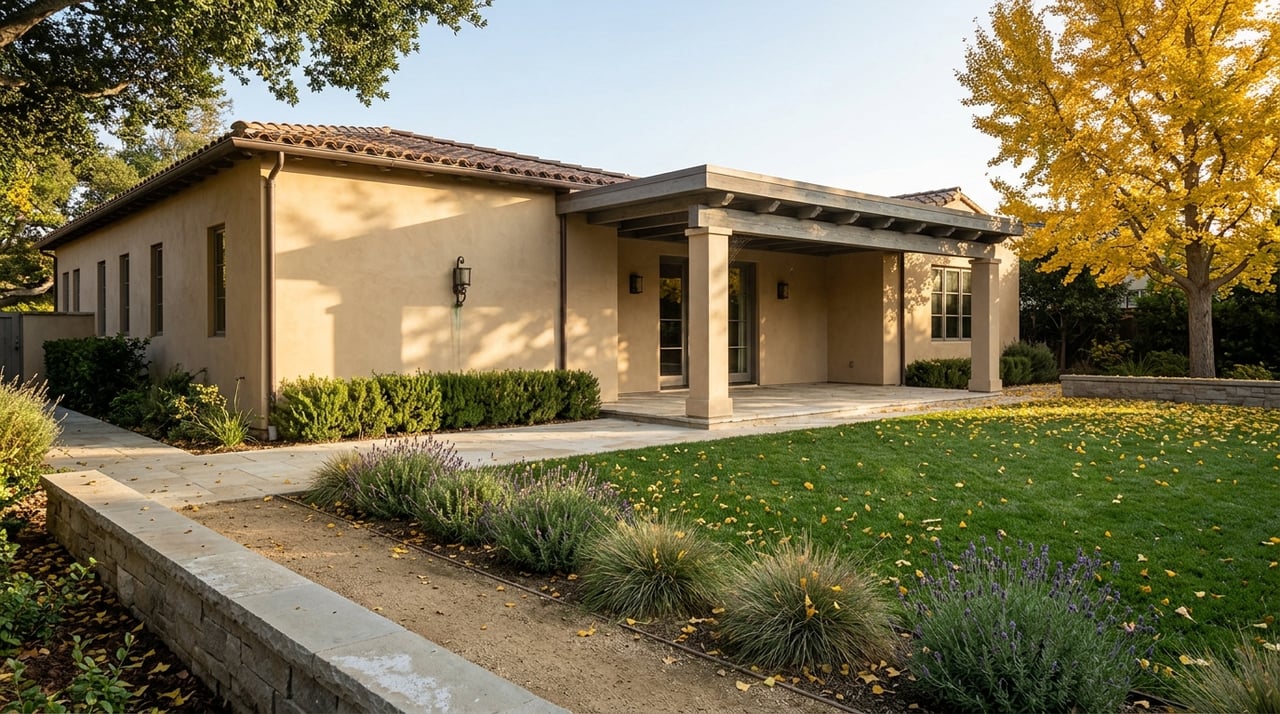
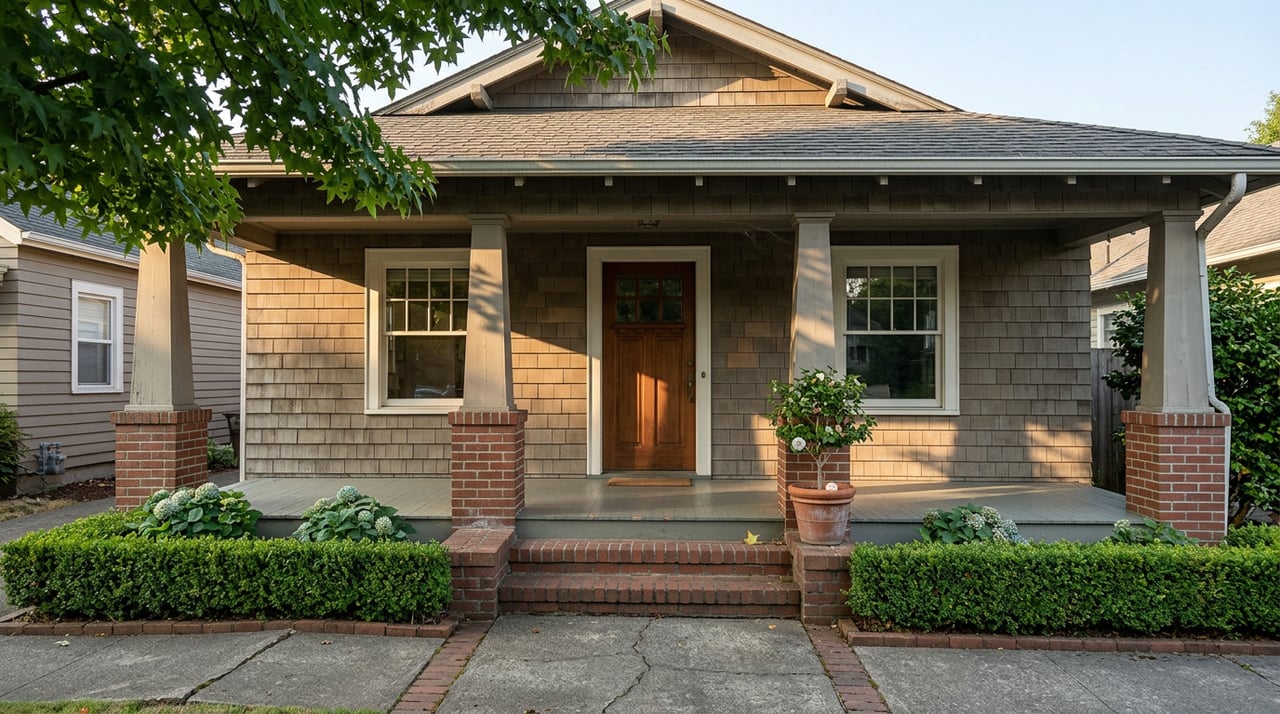
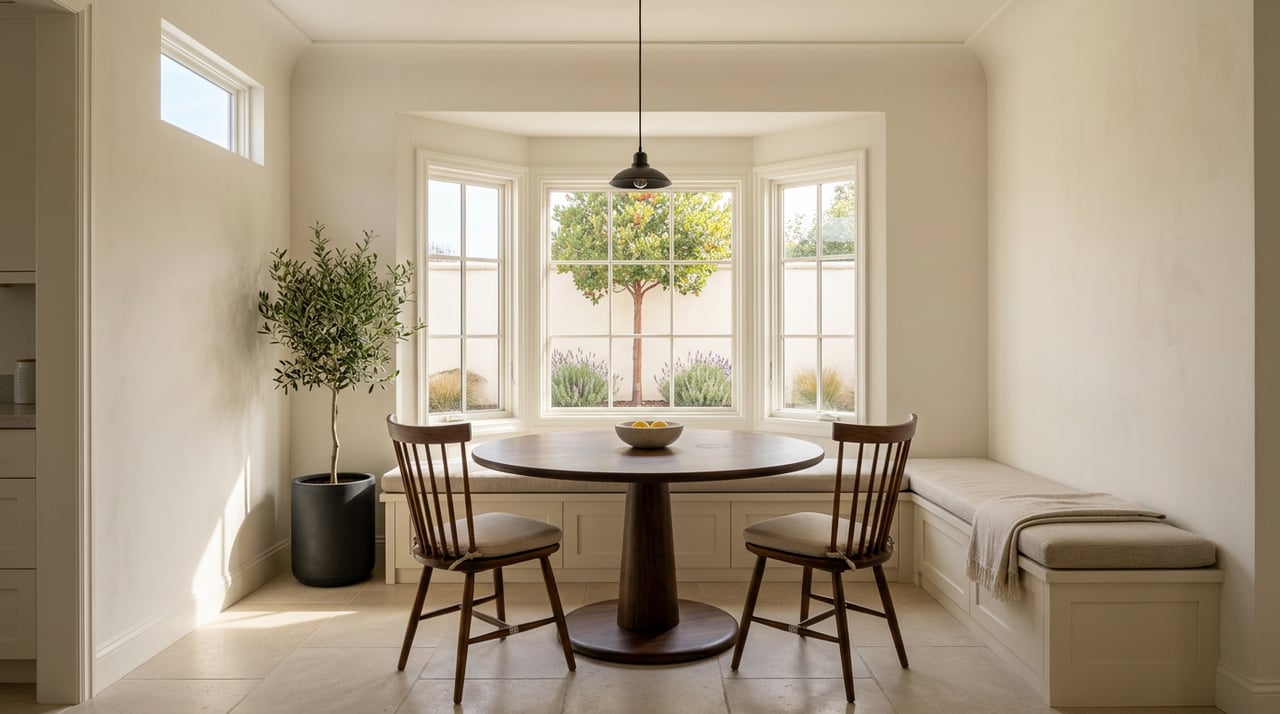
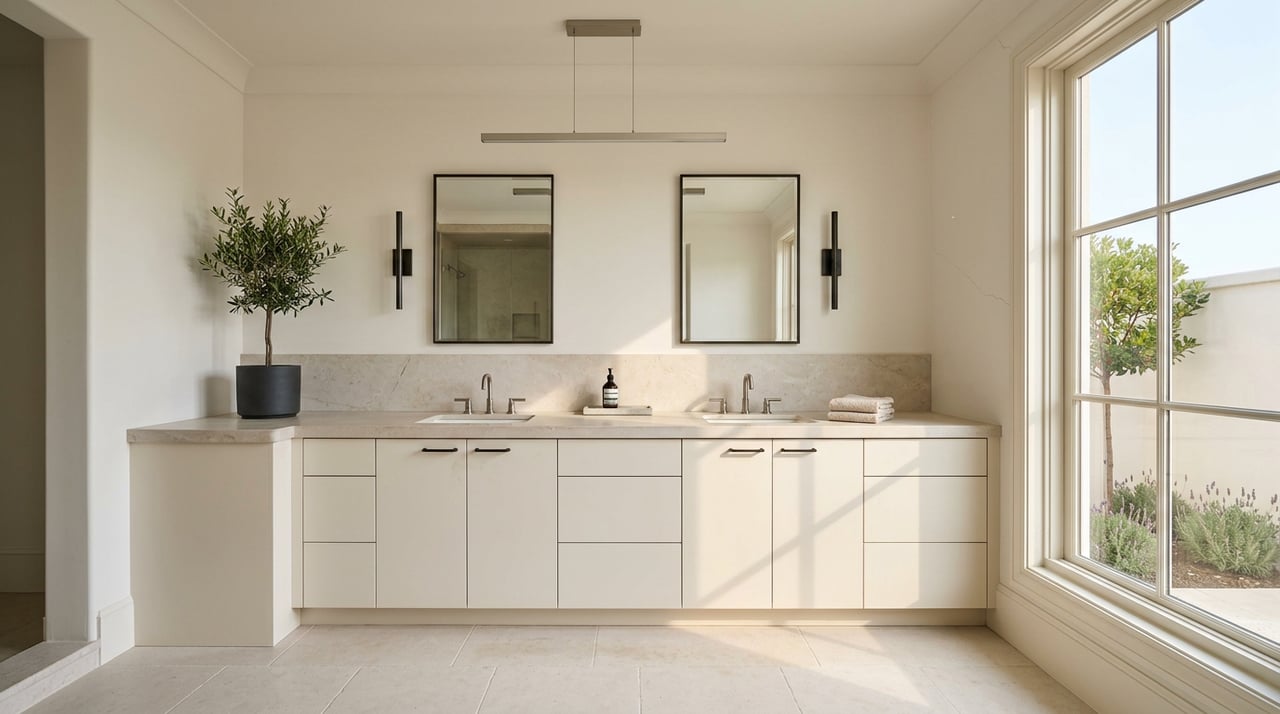
If you are preparing to list, the practical question is no longer "should we paint" but "which side of the split do we want to be on." The homes going pending in a week share a short list of traits. Interior paint that reads as current, not just clean. Flooring that does not date the house to a specific decade. Kitchens and baths where the fixtures, hardware, and lighting have been touched in the last five years, even if the cabinets have not. Landscaping that has been maintained through the drought years rather than allowed to brown out. Staging that lets buyers picture furniture in the rooms they will actually use.
None of that is glamorous. All of it now moves the needle more than it did two years ago, because the appraisal-side condition adjustment is larger and the buyer's attention span is longer. The math a seller was doing in 2022, weighing $15,000 of prep against a bidding-war premium, has flipped. In 2026, the same $15,000 is often the difference between the fast slice and the slow slice, and the slow slice loses roughly that same 5.8% along the way to closing.
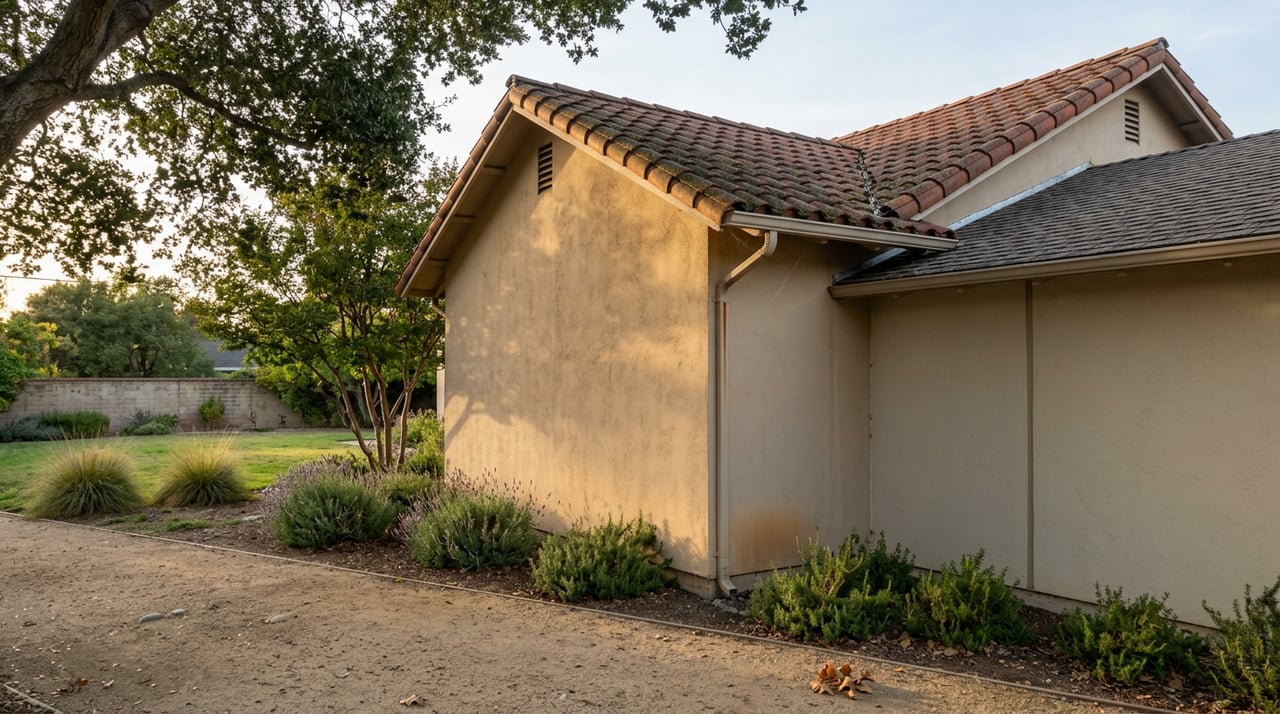
This is where estate and downsizing sales carry a particular risk. A home that has been lovingly lived in for thirty or forty years is almost by definition not dialed-in by 2026 buyer standards. Nothing is wrong with it. It simply reads as "the previous owner's house" rather than "the new owner's house." Coordinating paint, floors, targeted updates, and a professional clean before the sign goes up is the difference between a July listing that transacts in August and one that is still on the market in October, chasing the price down.
For a buyer, the "average" days on market number is misleading
If you are buying, the useful takeaway is that the market-wide DOM figure describes almost no home you actually want. The house that fits your criteria in a neighborhood you would actually live in is moving on the seven-to-fourteen day side of the split. You need to be pre-approved, decisive, and organized before you tour it, because the seller of that home is not accepting concessions or waiting for inspections to become negotiations.
The listings sitting at 40, 60, 80 days are usually sitting for reasons that will not go away when you buy them. Deferred maintenance. A layout that fights the neighborhood's dominant buyer. Original systems approaching end-of-life. Overpricing relative to the specific street, not the metro. A patient buyer can win on those homes at meaningful discounts, and Lundquist's numbers back that up: roughly a third of listings have taken a price cut, and concessions are showing up in about half of closings. But the discount is compensation for something. Underwriting what that something is, and what it will cost to fix, is now the buyer's real job.
Bay Area migration continues to be the dominant demand tailwind, with San Francisco the top origin metro for buyers searching into Sacramento in Redfin's data. That flow keeps a floor under the competitive slice. It does not lift the slow slice.
A short FAQ
Is the 2026 conforming loan limit relevant to most Sacramento buyers? The Sacramento County conforming loan limit is $832,750 for a single-family home in 2026, with FHA at $763,600. For the median-price segment that limit is not binding. It matters more for buyers stretching into the upper-suburban and select luxury bands, where jumbo financing changes both the rate and the documentation.
If half of sales include concessions, should every buyer ask for them? Asking on a home that has been sitting is reasonable. Asking on a home that is three days on market with two other offers behind yours is a way to lose the house. The concession figure is a portfolio average across the whole market, not a script for every offer.
How should sellers of an inherited or long-held home think about prep in this environment? Treat prep as underwriting, not decoration. The relevant question is what a comparable dialed-in home on the same street sold for in the last 90 days, and what the delta is between that number and the current condition of your home. If the delta is larger than the cost of closing it, prep pays. If it is smaller, list as-is and price to the slow slice honestly. Guessing between the two is where sellers lose the 5.8%.
Does a modest rate move change any of this? Only at the edges. Lundquist's read is that shaving $150 off a monthly payment does not pull a buyer who was $1,000 short back into the market. What a rate move does is thicken the competitive slice slightly and thin the slow slice slightly. The split itself, and the condition premium driving it, stays.
Where this leaves the summer
The Sacramento market in the summer of 2026 rewards preparation on both sides of the transaction. Sellers who show up with a home that reads current will find the market that headlines describe. Sellers who show up as-is will find a different, slower market on the same block. Buyers who understand which slice a listing belongs to will negotiate accordingly. Buyers who do not will either lose the homes they want or overpay for the homes they settle on.
If you are weighing a sale this year, especially one tied to an estate, a downsizing, or a long-held family home, the prep decisions made in the next few weeks will determine which slice your listing lands in. That is a conversation worth having before the sign goes up, not after the first two weeks of quiet showings. Lee Mahla works through that plan with clients from the first walk-through, including the packing, contractor coordination, and staging steps that get a long-held home ready for a 2026 buyer. Schedule a free consultation to talk through your timeline.