The Carmichael median has barely moved in a year. As of July 2026, homes across the 95608 ZIP were listed at a median of about $580,000, essentially flat against the same month in 2025. If you have been comparing Sacramento suburbs on the portals, that number is doing almost none of the work you think it is.
Carmichael is not one market. It is three, stacked inside a single unincorporated ZIP, and the gap between them is now wider than the gap between Carmichael and the surrounding suburbs it gets compared to.
One ZIP code, three price bands
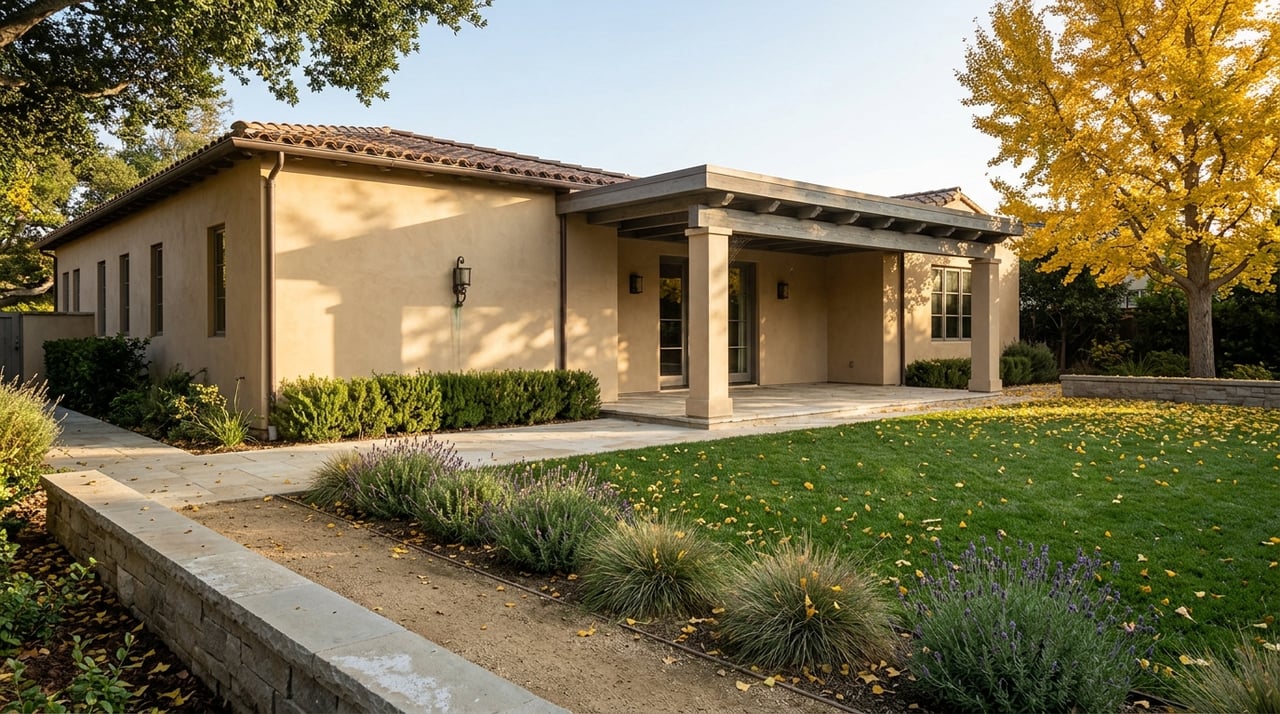
The single-median story falls apart the moment you overlay sub-neighborhoods on the map. Along the American River corridor, Wilhaggin del Dayo sits at a median sale price near $1.05 million to $1.17 million as of spring 2026, with homes moving in roughly 37 days. Drop a mile inland into the mid-century ranch core off Fair Oaks Boulevard, and the same 95608 ZIP is producing sales in the mid-$500Ks. East of Manzanita, quieter tracts settle below that.
The number a buyer coming from Roseville or Folsom sees on a portal is the average of those three worlds. What it actually buys depends entirely on which side of Fair Oaks Boulevard you stand on.
| Sub-market | Typical 2026 range | Character | Recent DOM |
|---|---|---|---|
| American River corridor (Wilhaggin del Dayo, Del Dayo Estates, Sierra Oaks, Arden Bluffs) | ~$935K to $3.5M+ | 1970s ranch on quarter to full-acre lots, pools common, some gated pockets | ~37 days |
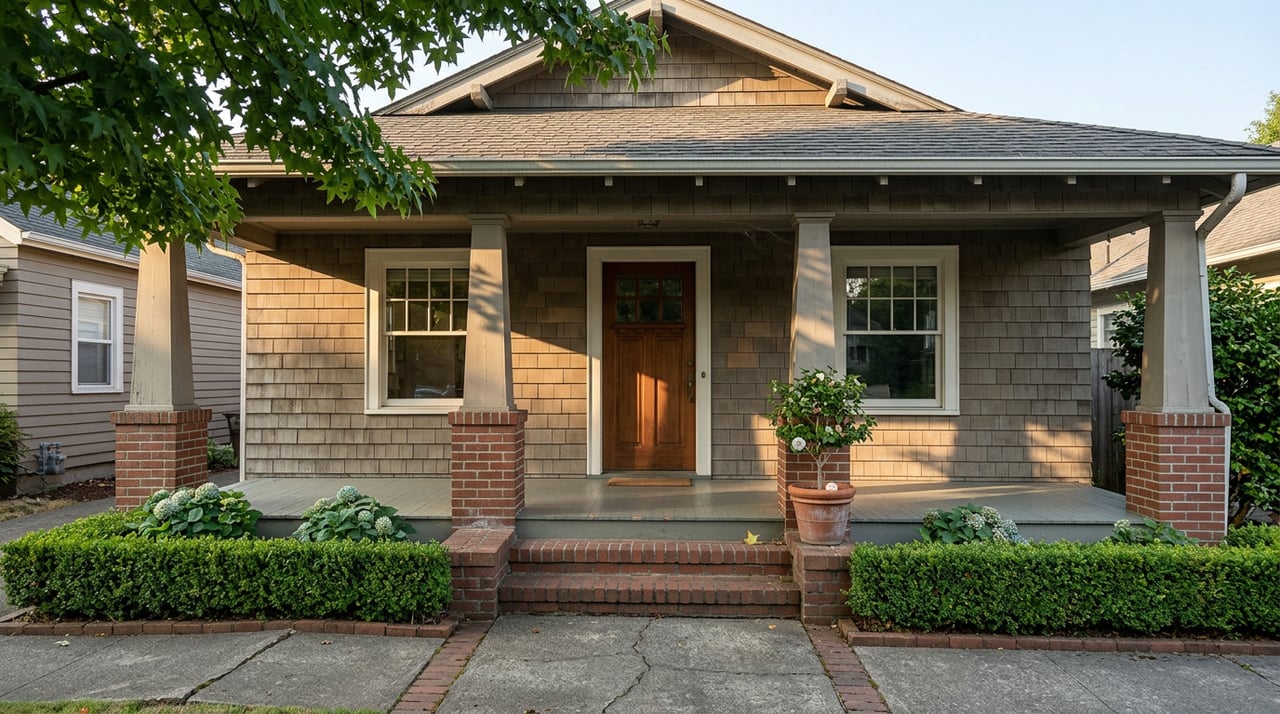
| Central mid-century ranch core | ~$500K to $700K | Single-story ranch on generous lots, 1,400 to 2,200 sq ft, largely no HOA | ~30 to 45 days |
| Eastern and older interior pockets | ~$350K to $500K | Smaller ranches, condos, and townhome clusters | Highly variable |
Del Dayo Estates itself dates to 1957, with homes running roughly 1,825 to 3,165 square feet. The lots are why the price band exists. When a buyer trades a Folsom two-story on 5,500 square feet for a Carmichael ranch on a third of an acre with mature oak canopy, the price per square foot looks similar and the price per square foot of dirt is not close.
The unincorporated advantage that Folsom buyers miss
Carmichael is unincorporated Sacramento County. That single administrative fact carries more weight in a monthly carrying cost calculation than most cross-shopping buyers realize.
Most of the housing stock predates the HOA and Mello-Roos era, so a very large share of Carmichael single-family homes carry neither. Compare that to a comparably priced home in a newer Elk Grove, Folsom, or Roseville tract, where a Mello-Roos special tax and an HOA dues line can add several hundred dollars a month and land the effective property tax rate well above 1.25 percent. On a $580,000 Carmichael ranch with no HOA and no Mello-Roos, the tax bill sits close to the 1 percent Prop 13 base plus small voter-approved add-ons. Over a ten-year hold, that delta is real money and it does not show up anywhere on a listing page.
The tradeoff is service load. County-provided road maintenance, county sheriff response, and the Carmichael Water District rather than a city utility. Buyers who want a walkable civic downtown will not find one here. What they get instead is space, tree canopy, and a fixed cost structure that does not drift upward with a special district assessment.
Why the days-on-market number splits in two
If you look at three data providers this summer you will find three different Carmichael numbers for days on market. Zillow shows properties going to pending in roughly a week. Redfin reports about 31 days to sale. Independent MLS reporting via MetroList feeds puts the average listing on the market closer to 50 days. All three are correct. They are measuring different halves of the same split.
The market is behaving in two modes at once. A dialed-in, correctly priced central-Carmichael ranch with updated systems is going pending inside a weekend. A dated, over-priced, or unprepared listing in the same block is sitting well past 60 days. There is very little middle. The average of the two produces a number that describes almost no actual transaction.
The reader who assumes "Carmichael is selling in 30 days" is preparing for the wrong market. Half the inventory is faster than that. The other half will teach you patience.
For a buyer, this has a practical consequence. The homes that would justify writing an aggressive offer disappear on a timeline measured in days. The homes that reward negotiation are visible for weeks and often reduce twice before they trade. Trying to run one strategy across both halves of the market is how buyers lose the property they actually wanted.
What is changing under the surface this summer
The macro numbers are quiet. The infrastructure and civic layer underneath is not. Several 2026 items either add value or reprice risk in the sub-markets above:
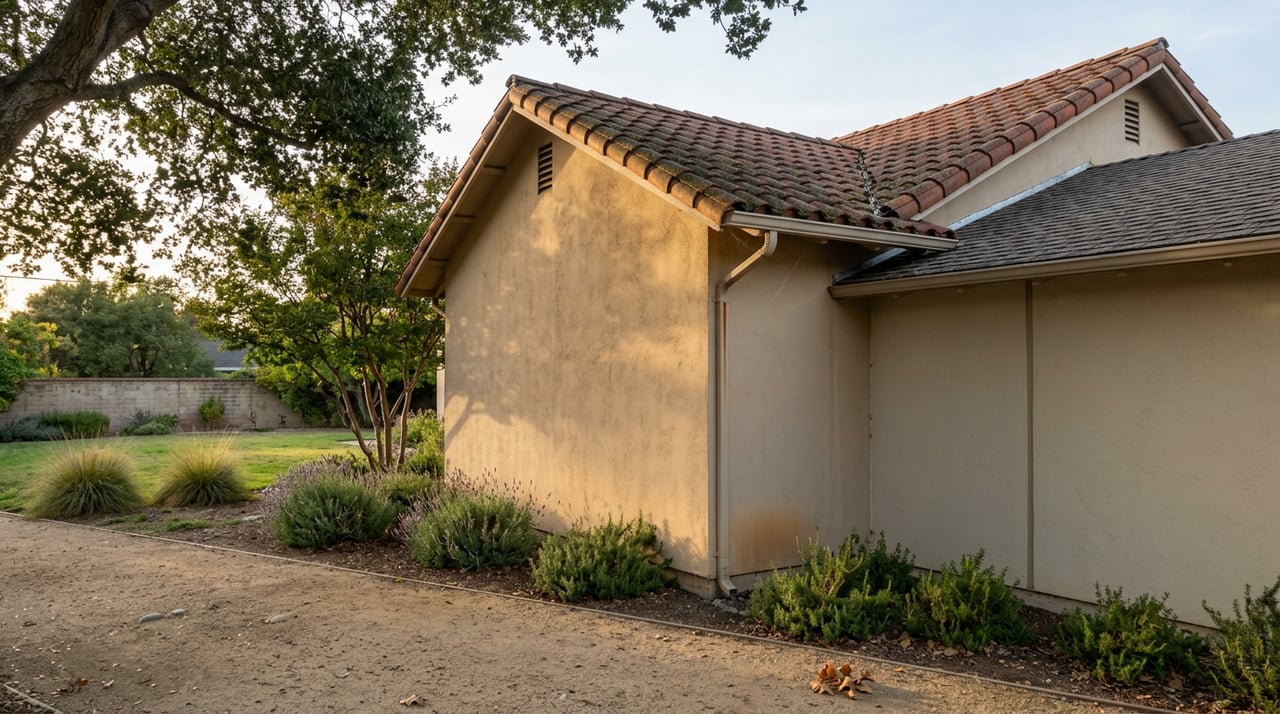
- The Sacramento Area Sewer District's Creek Crossing Phase 2 project began construction in May 2026, replacing and rehabilitating five sewer mainline segments across Carmichael, unincorporated Sacramento, and Citrus Heights. Homes in the affected corridors trade the short-term nuisance of construction for a durable reduction in backup risk that inspection reports will note for years.
- Representative Ami Bera secured $1.092 million in Community Project Funding in February 2026 for the Carmichael Water District to replace aging well screens and protect drinking water quality for Carmichael and Rancho Cordova residents. This is a boring line item that quietly protects long-term valuations along the corridor served.
- On June 16, 2026, the Sacramento County Board of Supervisors approved a resolution expanding the Residential Development Impact Fee Deferral Program to all residential projects, with a companion ordinance scheduled for final approval on July 14. The immediate effect for existing owners is subtle. The medium-term effect is a slightly friendlier environment for infill and ADU builds on the deep Carmichael lots that are legally overqualified for a second unit.
- The Jesuit High School stadium lighting proposal is under active planning environmental review at the county. For homes within a few blocks of the campus, this is a disclosure item worth reading in full before writing an offer.
- Cardinal Oaks Park in western Carmichael entered a refresh in June 2026, and the annual Taste of Carmichael drew more than 350 attendees to La Sierra Community Center on May 29, 2026. Neither is a market-mover on its own. Together they are the kind of civic maintenance that keeps a suburb from drifting.
None of these headlines will move a median. Collectively they explain why Carmichael's flat median in 2026 is not the same market it was in 2024, even at the same price.
A short FAQ for buyers comparing suburbs
If the Carmichael median is $580K and Wilhaggin del Dayo is over $1M, where does the "typical" Carmichael home actually trade?
The largest cluster of transactions in 2026 has been in the mid-$500Ks to high $600Ks, in the central mid-century ranch core off Fair Oaks Boulevard, on lots between a fifth and a third of an acre. That is closer to the actual median experience than either the American River corridor or the eastern pockets.
Do most Carmichael homes really have no HOA and no Mello-Roos?
A large share of the single-family housing stock predates both structures, so the answer for the ranch core is usually yes. There are gated exceptions along the American River corridor with real HOA dues, and a handful of newer infill clusters. Always read the preliminary title report and the HOA disclosure packet, if any, before assuming.
Is a longer days-on-market reading a warning sign?
For Carmichael specifically in 2026, a longer DOM is more often a signal about the individual property's condition and pricing than about neighborhood demand. A 60-day listing three doors down from a 6-day sale is not a contradiction. It is the market working correctly on two different products.
Working through it with someone who knows the corridor
The reason buyers get surprised in Carmichael is that the shorthand does not carry. A median that would tell you almost everything you needed to know in a newer tract community tells you almost nothing here. What matters is which sub-market, which lot, which condition tier, and which carrying cost structure you are actually buying into.
If you are comparing Carmichael against Gold River, Fair Oaks, or a Folsom tract this summer, Lee Mahla can walk you through what a specific budget actually purchases in each of the three Carmichael sub-markets, what the inspection and disclosure patterns look like on older ranch stock, and where the deep-lot ADU math is starting to pencil out under the county's updated fee structure. Schedule a free consultation and bring the addresses you have been watching. That is the fastest way to turn a portal median into a decision you can live with for the next ten years.